
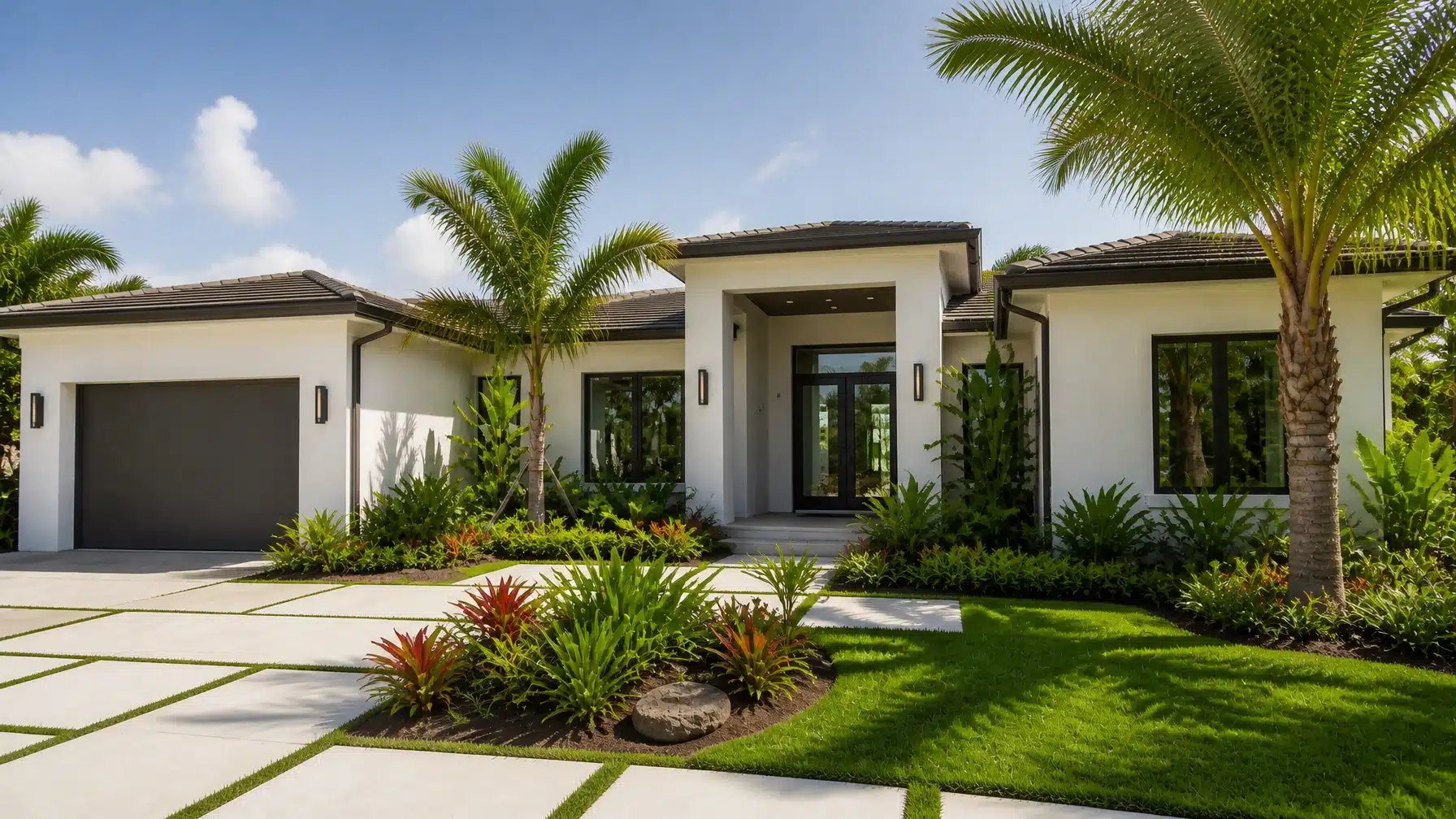

Buying a home in South Florida involves more than the purchase price and monthly mortgage payment. Insurance, taxes, inspections, assessments, maintenance, and local restrictions can significantly affect your total cost of ownership.
This matters whether you are a first-time homebuyer in Florida, relocating from another state, or evaluating a property investment. A home that fits your purchase budget may not fit your long-term budget once these additional expenses are included.
Before making an offer, review the following cost categories carefully.
1. Closing Costs Can Add 2%–5%
Buyers in Florida typically pay approximately 2%–5% of the purchase price in closing costs, although the exact amount depends on financing, the property, and the terms negotiated with the seller.
Common expenses include:
- Lender fees and loan origination charges
- Appraisal fees
- Title search and title insurance
- Attorney or settlement fees
- Recording fees
- Survey costs, when required
- Prepaid property taxes
- Escrow deposits
- A full year of homeowners insurance paid or collected at closing
Florida also imposes taxes connected to mortgage financing:
- Documentary stamp tax on the note: 0.35% of the loan amount
- Nonrecurring intangible tax on the mortgage: 0.20% of the loan amount
- Deed-side documentary stamp tax: 0.70% of the sale price in most Florida counties
The deed-side transfer tax is usually paid by the seller, but it is negotiable. The contract determines who ultimately pays it.
For example, on a $600,000 purchase with a $480,000 mortgage:
- Note documentary stamps would be approximately $1,680
- Mortgage intangible tax would be approximately $960
- Deed documentary stamps would be approximately $4,200 if negotiated to the buyer
These taxes are only part of the total. Title insurance, appraisal, attorney fees, recording charges, prepaid taxes, and insurance can add substantially more.
The Florida Department of Revenue’s documentary stamp tax information provides the state’s current tax framework. Your lender, title company, and attorney can calculate the exact amount for a specific transaction.

2. Insurance Is Often the Biggest Surprise
Homeowners insurance is one of the most important costs to investigate before buying a home in South Florida.
For single-family homes, annual premiums can range from approximately $3,500 to $15,000 or more, depending on:
- Roof age and condition
- Distance from the coast
- Construction type
- Replacement cost
- Wind exposure
- Flood risk
- Prior claims
- Available storm-protection features
- Deductible levels
Windstorm coverage may be separate from the main homeowners policy or may be included at an additional cost. Review the policy carefully. A lower premium may also come with higher hurricane deductibles or narrower coverage.
Standard homeowners insurance generally does not cover flooding. If the property is in a flood zone, flood insurance may be required by your lender. Even when it is not mandatory, it may be prudent in coastal or low-lying areas. Flood premiums vary widely based on elevation, flood zone, replacement cost, and the policy provider.
Roof age can determine whether a home is insurable
The roof is often the number one driver of Florida insurance premiums and eligibility. An older roof can lead to higher premiums, repair requirements, limited coverage, or difficulty obtaining a policy.
Many insurers request:
- A 4-Point Inspection covering the roof, electrical, plumbing, and HVAC systems
- A Wind Mitigation Inspection documenting features such as roof shape, roof-to-wall connections, opening protection, and storm-resistant construction
These reports may help qualify the home for coverage or insurance discounts. They also cost money and can reveal repairs that need to be completed before closing.
Do not wait until the end of the transaction. Get insurance quotes before making an offer. A property that appears affordable may become difficult to carry if coverage costs are higher than expected.
Elevated Agents’ 2026 Florida home inspection checklist explains the inspections and property features that deserve particular attention.
3. Property Taxes May Reset After You Buy
Property taxes are based on local millage rates, exemptions, and the property’s assessed value. For planning purposes, South Florida buyers should estimate approximately 1.5%–1.8% of the property’s value annually, then verify the actual amount with the county property appraiser.
Do not rely solely on the seller’s current tax bill. When a property changes ownership, its assessed value may be reset closer to current market value. The seller may also have exemptions or assessment limits that will not transfer to the buyer.
Homestead benefits can change the calculation
If the property will be your primary residence, the Florida Homestead Exemption can reduce taxable value. It also provides the Save Our Homes assessment cap, which limits annual increases in the assessed value of a homesteaded property.
The cap generally limits increases to the lesser of 3% or the change in the Consumer Price Index. This can help control future tax increases, but it does not necessarily protect a new buyer from the initial post-purchase reassessment.
A proposed November 2026 ballot measure would expand the homestead exemption for non-school property taxes if approved by voters. The proposal is not guaranteed and should not be included in a purchase budget until it becomes law. Buyers can monitor the official Florida Division of Elections amendment information for updates.
4. HOA Fees, CDD Charges, and Special Assessments
A low-maintenance home may still carry significant community-related costs.
HOA and condominium fees
Monthly HOA or condominium fees vary widely. They may cover:
- Landscaping
- Building insurance
- Exterior maintenance
- Water or other utilities
- Amenities
- Security
- Reserves
- Property management
- Repairs to shared structures
Condominium buyers face additional due diligence requirements. Following the Surfside tragedy, Florida introduced structural milestone inspections and Structural Integrity Reserve Studies for many condominium and cooperative buildings that are three stories or higher.
These requirements can increase regular assessments. They may also expose underfunded reserves or deferred maintenance.
Special assessments for concrete repairs, balconies, roofs, waterproofing, elevators, plumbing, or other structural work can reach tens of thousands of dollars per unit.
Before closing on a condo, request and review:
- The latest budget and financial statements
- The reserve study or Structural Integrity Reserve Study
- Any milestone inspection reports
- Board meeting minutes
- Pending litigation
- Notices of proposed or approved special assessments
- The association’s insurance information
Florida DBPR provides condominium and reserve-study FAQs that can help buyers understand the current framework.
CDD assessments
Some communities also charge Community Development District, or CDD, assessments. These are non-ad valorem charges used to fund infrastructure, roads, drainage, utilities, landscaping, and amenities.
CDD charges often include:
- A debt-service portion for community infrastructure bonds
- An operations and maintenance portion
Many communities charge approximately $1,200–$3,000 or more annually, although amounts differ significantly. CDD fees generally appear as a separate line on the property tax bill and are not reduced by the Homestead Exemption.
Ask for the current assessment, the district budget, and the expected bond payoff schedule before buying.

5. Maintenance Is Different in a Coastal Climate
South Florida’s heat, humidity, salt air, and storm exposure accelerate wear.
Over time, you may spend more on:
- HVAC servicing and replacement
- Exterior paint and stucco repairs
- Roof maintenance
- Corrosion-resistant hardware
- Pool equipment
- Sealing and waterproofing
- Appliances
- Landscaping and irrigation
- Pest control
- Mold prevention
A practical maintenance reserve is 1%–3% of the home’s value per year. Older coastal properties may require more.
Hurricane-season preparation also creates costs. These may include storm panels, impact-rated windows, generator maintenance, shutters, tree trimming, flood barriers, and emergency repairs.
A home with impact windows and a newer roof may command a higher purchase price, but those features can support insurance eligibility, reduce storm preparation, and limit future repair exposure.

6. Short-Term Rental Rules Can Affect Investment Value
If you are considering a Florida property investment or vacation rental, confirm the short-term rental rules before purchasing.
Review requirements at three levels:
- Municipality: The city or county may require registration, licensing, business tax receipts, occupancy limits, or local taxes.
- HOA or condominium: The community may prohibit rentals under 30 days, require minimum lease terms, or restrict the number of annual rentals.
- State requirements: Certain short-term rentals may require state licensing and the collection of applicable taxes.
Do not assume that a property can be used as a short-term rental because nearby homes are operating that way. Rules may differ by municipality, zoning district, building, or association.
A rental restriction can materially change projected income, resale demand, and the overall investment value. Verify the rules in writing before making an offer.
A Simple Pre-Offer Cost Checklist
Before submitting an offer, ask for:
- A lender’s full loan estimate
- A preliminary closing-cost estimate
- Insurance quotes based on the specific address
- Roof permits, age, and remaining useful life
- Flood-zone information and flood insurance estimates
- Current and projected property taxes
- HOA, condominium, or CDD documents
- Reserve studies and inspection reports
- Pending special-assessment information
- Written short-term rental rules
- A realistic maintenance budget
The purchase price is only one part of the decision. What will the property cost to own in year one, and what expenses could appear in years two through five?
Plan for the True Cost of Ownership
Buying a home in South Florida can be a sound long-term decision, but the numbers should be evaluated comprehensively. Insurance, taxes, reserves, assessments, maintenance, and rental restrictions can affect affordability as much as the mortgage itself.
Elevated Agents helps buyers compare these costs during the property search. Our team supports local buyers, first-time homebuyers, investors, and clients relocating to Florida from out of state. We help coordinate inspections, review property-specific considerations, and build a realistic ownership budget before you commit.
For guidance with South Florida real estate, Fort Lauderdale real estate, or Palm Beach County relocation, contact Elevated Agents at info@elevatedagents.com or 561-810-3165.
We are ready to help you understand the true cost of ownership before you make an offer.
This article is provided for general informational purposes and is not legal, tax, insurance, or financial advice. Confirm property-specific costs and requirements with qualified professionals before proceeding with a purchase.