
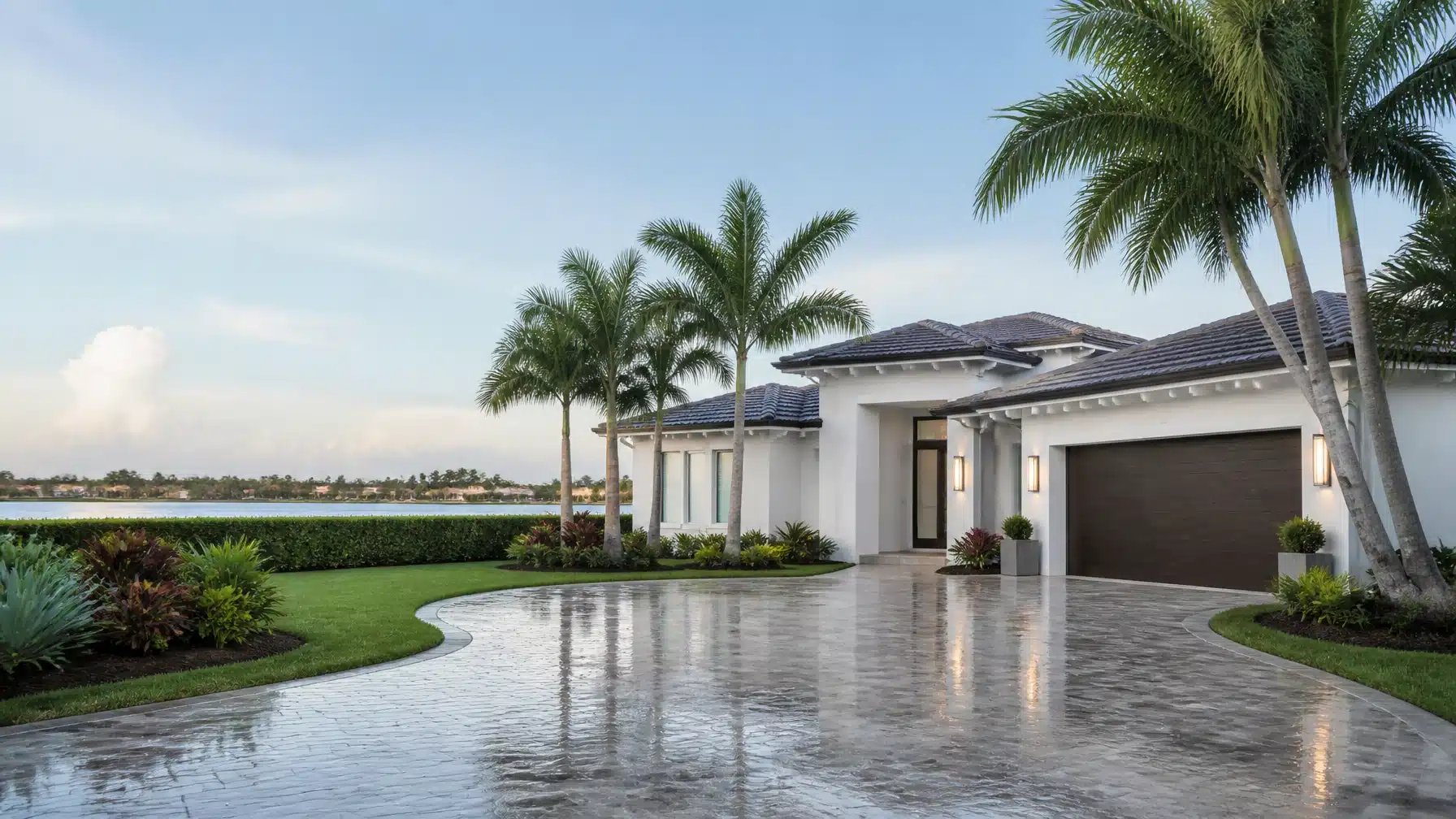

September is an important month for anyone considering buying a home in South Florida. The Atlantic hurricane season runs from June 1 through November 30, and September traditionally marks its peak.
That timing can make some buyers hesitate. Is it better to wait until hurricane season ends? Or can buying in the fall create an advantage?
The short answer is that buying during hurricane season is entirely doable. It may even be strategic. However, the process requires careful insurance and flood due diligence before making an offer.
What the 2026 Hurricane Forecast Means for Buyers
According to NOAA’s final 2026 Atlantic hurricane season update, issued August 6, the season is forecast to be below average. NOAA projects:
- 7 to 13 named storms
- 2 to 6 hurricanes
- 0 to 2 major hurricanes
The below-average forecast is linked partly to a strong El Niño. El Niño can create increased upper-level wind shear, which makes it more difficult for tropical systems to form and strengthen.
That is reassuring, but it should not be treated as a guarantee of a quiet season. Warm coastal waters can still provide fuel for rapid intensification. AccuWeather has warned that “near-to-below average” activity does not mean “low risk,” particularly when storms develop or strengthen close to the U.S. coastline.
What does this mean for a buyer?
It means a seasonal forecast should not determine whether a specific property is worth considering. Insurance companies do not set premiums based on one season’s forecast. Rates are based on broader, multi-year risk models, along with the home’s location, construction, roof, wind protection, claims history, and other factors.
The property itself matters more than the storm count.
Why September Can Be a Smart Time to Buy
Fall can offer practical advantages in South Florida real estate, particularly for buyers who are prepared to move carefully.
1. There may be less competition
Peak hurricane season can cause some buyers to pause their searches. That may reduce the number of competing offers, especially compared with the busier spring and summer months.
Fewer competing buyers can give you more time to evaluate a property. It may also reduce the pressure to waive important contingencies or make an offer before reviewing insurance costs.
2. Some sellers may be more flexible
Sellers who listed their homes in the spring or summer may become more motivated as the year progresses. A property that has remained on the market may provide more room for negotiation.
That does not mean every seller will accept a deep discount. Pricing still depends on the home’s condition, neighborhood, demand, and list price. However, fall can create a more balanced negotiation environment in some market segments.
3. You can assess storm-related features
A September purchase allows you to focus closely on the property’s resilience. Does it have impact windows? Is the roof relatively new? Are there hurricane shutters, reinforced garage doors, or documented roof-to-wall connections?
Well-prepared homes with modern storm-resistant features often maintain buyer interest more effectively. They may also qualify for more favorable insurance pricing, depending on the carrier and documentation.
Would it be helpful to compare several homes based on their likely insurance profile rather than price alone? That is one area where local guidance can make a meaningful difference.
The Pre-Offer Hurricane Due-Diligence Checklist
Insurance research should begin before making an offer, not after entering a binding contract. Use the following checklist as a starting point.
1. Check the exact FEMA flood zone
Do not rely on a general neighborhood description. Check the exact address using the applicable FEMA flood maps and confirm the lender’s flood-zone determination.
Common designations include:
- Zone X: Generally low- to moderate-risk areas. Federal law does not usually require flood insurance in Zone X, although coverage may still be recommended or required by a lender.
- Zone AE: A high-risk Special Flood Hazard Area with a defined base flood elevation. Flood insurance is generally required when the property has a federally regulated or federally backed mortgage.
- Zone VE: A coastal high-risk area that includes additional wave-action risk. Flood insurance is generally required for federally backed or regulated mortgages.
Zone X does not mean no flood risk. It means the property falls outside FEMA’s highest-risk designation. Flooding can still occur from heavy rain, drainage issues, storm surge, or changing local conditions.
2. Request homeowners and flood insurance quotes
Obtain both quotes before your offer or inspection contingency expires. Insurance costs can change the affordability of a property significantly.
Ask the insurance professional about:
- Annual premium
- Wind and hurricane deductibles
- Flood coverage limits
- Exclusions
- Roof-age requirements
- Water-damage coverage
- Whether separate policies are needed
- Any available mitigation credits
A preliminary online estimate is not a substitute for a carrier-specific quote. The final premium may depend on inspection reports, permit records, roof documentation, and property details.
3. Order a wind mitigation inspection
A Florida wind mitigation inspection typically costs approximately $75 to $150. It documents features that may reduce wind-related losses and support insurance discounts.
The inspection may review:
- Roof age and covering
- Roof deck attachment
- Roof-to-wall connections
- Roof shape
- Secondary water resistance
- Impact windows and doors
- Hurricane shutters
- Garage-door protection
- Construction code details
The Florida Office of Insurance Regulation’s wind mitigation resources explain the process and provide information about the Uniform Mitigation Verification Inspection Form.
Ask for documentation of qualifying features. Impact windows, roof strapping, and newer roofs can be valuable, but insurers generally need evidence that the features meet applicable standards.

4. Get a 4-point inspection for older homes
A 4-point inspection focuses on four major systems:
- Roof
- Electrical
- Plumbing
- Heating, ventilation, and air conditioning
It is separate from a wind mitigation inspection. A wind mitigation inspection evaluates storm-resistant features, while a 4-point inspection helps an insurer assess the condition and insurability of an older home.
Some carriers may require one or both inspections. Ordering them early can help identify insurance obstacles before they affect the transaction.
5. Include an insurance contingency
Your purchase contract should address insurance approval and affordability. The specific language must be reviewed with the appropriate real estate and legal professionals, but the goal is straightforward: avoid being committed to a property before confirming that suitable insurance is available.
An insurance contingency may address:
- The buyer’s ability to obtain coverage
- Acceptable premium limits
- Required inspection results
- Coverage terms
- The buyer’s options if coverage cannot be secured
Insurance requirements and contract provisions vary. A local real estate agent can help coordinate the timing, but legal questions should be directed to a qualified attorney.
6. Plan a closing buffer
A named storm can disrupt inspections, lender activities, title work, insurance binding, travel, and recording. If a storm is within approximately five days of the planned closing, the transaction may be delayed.
Build flexibility into the schedule. Confirm how the contract addresses storm damage, property condition, insurance availability, and closing delays.

Questions to Ask During the Inspection
Hurricane-related due diligence is not limited to checking a box on an inspection report. Ask direct questions about the home’s history and documentation.
Consider asking:
- When was the roof installed?
- Are permits available for the roof, windows, or structural improvements?
- Are all windows and exterior doors impact-rated or properly shuttered?
- Is the garage door reinforced?
- Can the inspector verify roof-to-wall connections from the attic?
- Has the property experienced prior storm or flood damage?
- Were repairs completed and documented?
- Does the condominium association carry adequate master flood and wind coverage?
- Are there current or anticipated assessments related to storm protection?
For condos, review the association’s insurance, reserves, inspection reports, and recent meeting minutes. Individual unit coverage does not replace the association’s master policy.
How Storm-Resistant Features Can Support Value
A home with impact windows, a newer roof, reinforced openings, and documented mitigation improvements may be easier to insure than a comparable home without those features.
These upgrades do not eliminate storm risk. They also do not guarantee a specific insurance discount. The benefit depends on the property, the insurer, the inspection results, and current underwriting rules.
Still, they can support long-term value in several ways:
- They may reduce vulnerability to wind and debris.
- They can make the property more attractive to future buyers.
- They may improve insurance eligibility or pricing.
- They can reduce the need for immediate upgrades after closing.
Buyers should evaluate the cost and quality of the improvements, not just their presence in the listing description.
The Bottom Line for September Buyers
Buying a home during hurricane season is not automatically unwise. In some cases, September can provide less competition, more negotiating room, and a clearer opportunity to evaluate a home’s storm-resistant features.
The process becomes riskier when insurance and flood questions are postponed.
Before making an offer:
- Verify the exact FEMA flood zone.
- Request homeowners and flood insurance quotes.
- Order a wind mitigation inspection.
- Arrange a 4-point inspection for older homes.
- Include an insurance contingency.
- Allow extra time for storms near closing.
For buyers moving from another state, these steps are especially important. A Florida relocation involves more than selecting a neighborhood and comparing list prices. Insurance, flood exposure, construction standards, and local storm history all deserve attention. Our South Florida relocation guide can help organize the broader move.
Elevated Agents helps buyers evaluate properties throughout South Florida, including insurance and inspection considerations. Whether you are relocating, purchasing your first home, or searching for a higher-end property, our team can help you compare fall opportunities with practical due diligence.
To discuss buying a home in South Florida, contact Elevated Agents or call 561-810-3165. We are also available at info@elevatedagents.com.