
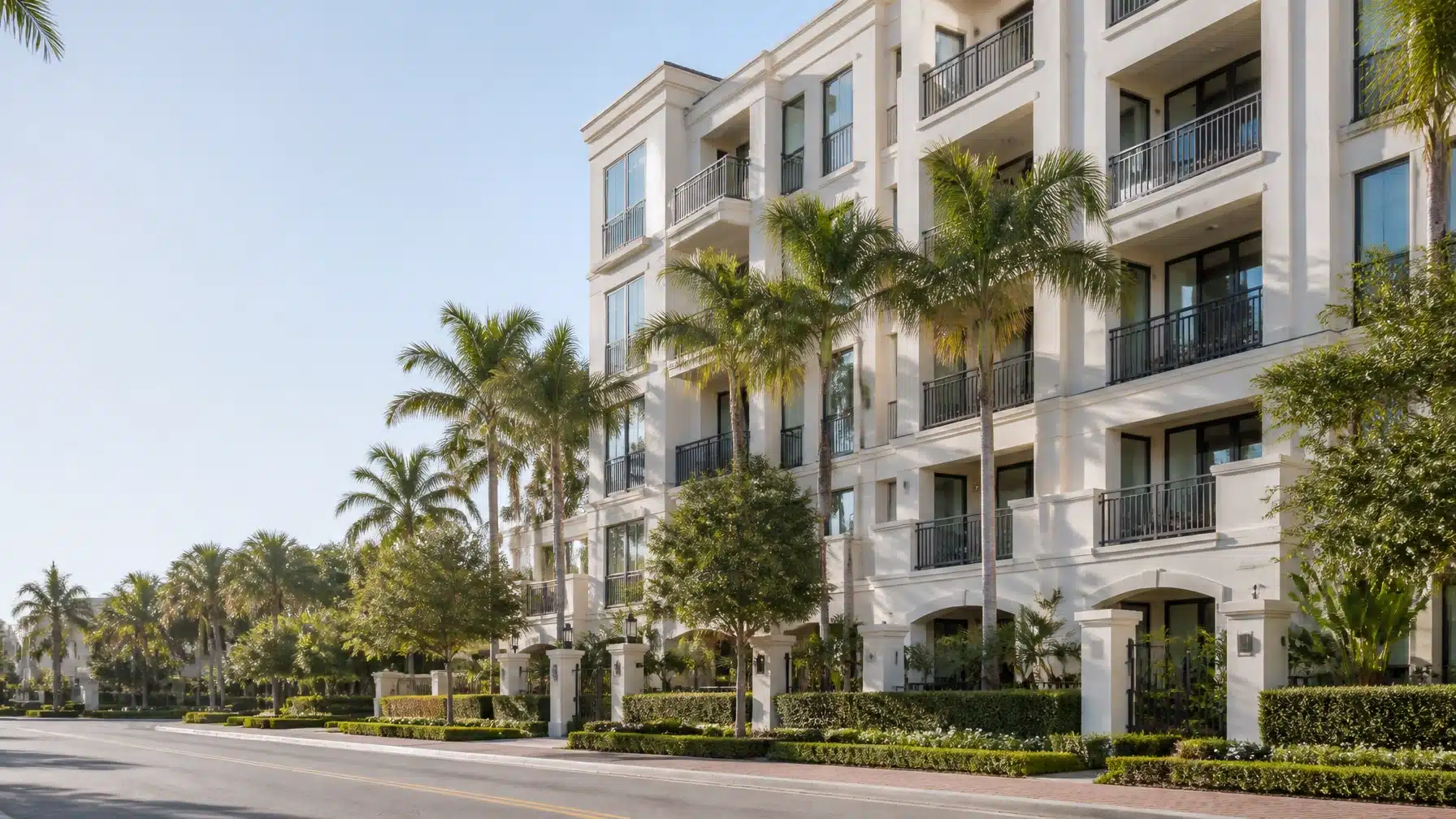

South Florida condo buyers and owners are facing a significant financial and regulatory transition. Structural Integrity Reserve Studies, commonly called SIRS, are changing how condominium associations budget for major repairs, how lenders evaluate buildings, and how buyers assess the true cost of ownership.
The December 31, 2026 deadline is especially important for associations coordinating their SIRS with a milestone inspection due on or before that date. For buyers, the building’s SIRS status may affect financing before an offer is even accepted. For owners, the study may reveal years of deferred maintenance and the need for substantial assessments.
The process is urgent, but it can be managed with the right information.
What Is a Structural Integrity Reserve Study?
A Structural Integrity Reserve Study is a long-term planning document required by Florida law for condominium and cooperative associations in buildings that are three stories or higher.
The study must be completed by a licensed engineer or architect. It evaluates the condition and remaining useful life of major structural and building components. It also estimates how much money the association needs to maintain, repair, or replace those components over time.
The required review generally includes:
- Roof
- Load-bearing walls and other structural systems
- Foundation
- Fireproofing and fire protection systems
- Plumbing
- Electrical systems
- Waterproofing and exterior painting
- Windows and exterior doors
The Florida Department of Business and Professional Regulation describes a SIRS as “a budget planning tool” that examines the parts of a building the association must maintain, the existing reserve fund, and the funding needed for future major repairs.
This distinction matters. A SIRS is not the same as a general home inspection. It is a building-level assessment that connects physical conditions to long-term financial planning.
Understanding the December 31 Deadlines
Associations existing on or before July 1, 2022 were generally required to complete their initial SIRS by December 31, 2025.
The December 31, 2026 deadline applies to associations coordinating the SIRS with a milestone inspection due on or before December 31, 2026. In those cases, the study may be completed alongside the milestone inspection, but the process cannot extend beyond the applicable deadline.
After completing the study, the association must:
- Submit a SIRS Reporting Form electronically within 45 days.
- Distribute the completed study, or notice of its availability, to unit owners.
- Maintain documentation supporting the association’s reserve funding plan.
Owners and prospective buyers can review Florida’s SIRS Reporting and Database information for additional details and reported filings.
The deadline should not be treated as a date to begin asking questions. If a building is approaching its deadline, buyers should request documents immediately. Delays in engineering reports, association responses, or lender review can affect a closing timeline.

The Reserve Funding Rule Changed the Financial Picture
Since January 1, 2026, mandatory reserve funding for the eight structural components is in effect for Florida residential condominiums and cooperatives that are three stories or higher.
Owners can no longer vote to waive or reduce reserves for these specific structural components. This is one of the most important changes under Florida’s condominium reforms.
In the past, condo boards routinely voted to waive or reduce reserves. That practice helped keep monthly fees lower in the short term. It also allowed some buildings to postpone necessary repairs and accumulate significant unfunded obligations.
That option is no longer available for the structural components covered by the SIRS requirements.
Associations must now fund these reserves according to the study’s recommendations. Depending on the building’s age, current reserve balance, and repair history, the funding may come through:
- Increased monthly assessments
- Special assessments
- Association loans
- Lines of credit
- A combination of these methods
This does not mean every building will immediately impose a large assessment. It does mean that older buildings with inadequate reserves may need to address their financial gap sooner rather than later.
Why SIRS Matters for Condo Financing
SIRS compliance is now closely connected to mortgage approval.
Lenders are reviewing:
- Whether the association completed its SIRS
- Whether the building has a current milestone inspection
- Whether structural concerns were identified
- Whether required repairs are complete or properly funded
- Whether the association is following its reserve funding plan
- Whether special assessments are pending or already approved
- The building’s insurance, litigation, and financial records
A building that is missing required reports, has unresolved structural problems, or is not funding mandatory reserves may be classified as non-warrantable. That can restrict buyers to cash, portfolio loans, or non-qualified mortgage products.
This issue is particularly important because FHA approval is already limited across the region. As discussed in Elevated Agents’ guide to South Florida condo FHA financing, only a small percentage of condo buildings in Miami-Dade, Broward, and Palm Beach counties are FHA-approved.
A buyer may qualify for a mortgage personally but still be unable to finance a particular building. The property and the association must also satisfy the lender’s requirements.
Many buildings are also facing special assessments ranging from approximately $50,000 to more than $400,000 per unit, depending on the condition of the property and the scale of the required work. The amount varies widely, but the underlying issue is consistent: deferred maintenance must now be addressed.
A Buyer’s SIRS Due Diligence Checklist
Before making an offer on a South Florida condo, request and review the following information.
1. Confirm the SIRS status
Ask whether the building has a completed SIRS. Request the full report, not only a summary or board notice.
Review the engineer’s findings, projected useful lives, recommended repairs, and reserve funding schedule.
2. Request the current milestone inspection
A milestone inspection focuses on the structural safety of an older condominium building. It is separate from the SIRS, although the two studies may be coordinated.
Ask whether the inspection was completed, whether a Phase Two inspection was required, and whether any structural repairs remain outstanding.
3. Review reserve funding levels
Look at the association’s current reserves and compare them with the SIRS recommendations.
As a practical warning sign, buildings with reserves below approximately 30% of their projected needs may face a higher risk of significant special assessments. This is not a universal legal threshold, but it is an important signal for further investigation.
4. Identify existing and potential assessments
Request written details about:
- Approved special assessments
- Proposed assessments
- Payment schedules
- The purpose of each assessment
- Association loans
- Contractor estimates
- Unfinished repairs
A lower purchase price may not represent a good value if a major assessment is scheduled shortly after closing.
5. Use the document review period
After receiving the required condominium documents, buyers generally have a seven-day rescission period to review them and determine whether to proceed, subject to the terms of the contract and applicable law.
That period should be used carefully. The documents should be reviewed with the buyer’s real estate agent, lender, attorney, and other appropriate professionals.
6. Confirm financing early
Ask the lender to review the building before relying on a financing plan.
Questions to ask include:
- Is the building warrantable?
- Can the lender review the SIRS and milestone inspection?
- Are there unresolved structural issues?
- Will a special assessment affect qualification?
- Is conventional financing available?
- Would the property require cash, a portfolio loan, or non-QM financing?
Do not wait until after the inspection period to discover that the building cannot be financed under the intended loan program.

What Condo Owners Should Do Now
Owners should review their association’s SIRS, budget, and reserve plan even if they are not planning to sell.
If the building deferred maintenance for years, the study may identify funding needs that cannot be postponed. Monthly dues may increase. A special assessment may be proposed. The association may also need to borrow money for repairs or reserve contributions.
Owners should ask the board or property manager:
- Has the SIRS been completed and reported?
- Is the milestone inspection current?
- What repairs were identified?
- Are reserves being funded according to the study?
- Are special assessments under consideration?
- Will an association loan affect future monthly costs?
- Are all documents available to owners?
Sellers should be prepared for detailed buyer questions and document requests. Missing or incomplete records can create uncertainty during negotiations and may delay lender approval.
Transparency can help. A seller who provides the SIRS, inspection reports, budgets, and assessment information early may reduce surprises later in the transaction.
How SIRS Is Affecting South Florida Real Estate
The impact is visible across South Florida real estate, including Fort Lauderdale, Boca Raton, Delray Beach, and Palm Beach.
Condo buyers may have more inventory and negotiating leverage than buyers of well-priced single-family homes. However, the building’s financial condition now matters as much as the unit’s location, layout, and finishes.
In Fort Lauderdale real estate, two similarly priced condos can have very different ownership costs because of their reserves, insurance, inspections, and assessment exposure. The same applies to Palm Beach real estate, where buyers continue to compare condo convenience with the financial obligations of older buildings.
For investors, SIRS documentation is also central to evaluating a Florida property investment. Rental income projections should account for association dues, insurance changes, reserve contributions, assessments, and possible financing limitations.
The Bottom Line
SIRS requirements are reshaping the South Florida condo market. The December 31, 2026 deadline applies to associations coordinating their study with a qualifying milestone inspection, while the broader reserve funding rules are already affecting association budgets and owner costs.
For buyers, the key steps are clear:
- Verify the SIRS and milestone inspection status.
- Review reserves, assessments, insurance, and meeting records.
- Factor potential costs into the offer.
- Confirm financing with a lender before committing.
- Use the document review period carefully.
For owners, the priority is understanding the association’s funding plan and preparing for the possibility of higher costs.
An experienced real estate agent knows which buildings are likely to pass lender review and how to identify concerns in SIRS, milestone inspection, reserve, and assessment documents. Elevated Agents helps buyers and owners navigate SIRS due diligence, condo financing, negotiations, and transactions throughout South Florida.
Contact Elevated Agents for guidance with your condo purchase or sale. You can also reach the team at info@elevatedagents.com or 561-810-3165. The office is located at 5300 W Atlantic Ave, Suite 604, Delray Beach, FL 33484.